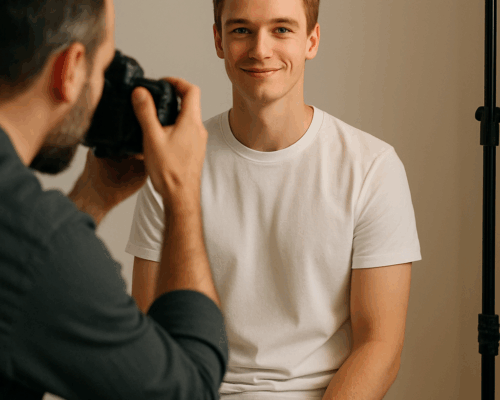
For any aspiring model, a professional portfolio is your key to capturing the attention of agencies and clients. A well-crafted portfolio can determine whether you’re invited to a casting or overlooked. It showcases your versatility, skills, and how you look in various styles. This article explains step-by-step how to build a successful modeling portfolio—from essential photo types to practical tips on quality, updating, and presentation—to impress from the first glance.
What is a Modeling Portfolio and Why is it Important?
A modeling portfolio is a collection of professional photographs showcasing your look and camera presence. These images should highlight your ability to interpret different styles (casual, elegant, sporty, beauty, etc.) and emphasize your physical strengths. Agencies use your portfolio as their primary tool to decide if you’re worth inviting to castings. Clients will also review your portfolio to assess if you’re the right fit for their projects. A strong portfolio conveys professionalism and confidence—think of it as your visual CV. It should contain your best “achievements” (excellent photographs), presented clearly and cohesively.
Preparing for Your Portfolio Photoshoot
Book a photoshoot with a professional photographer experienced in modeling photography. For optimal results, choose a natural look (minimal makeup, simple hairstyle) and clean outfits free from distracting elements. Include variety—casual outfits, elegant attire—to showcase your versatility. Before the shoot, practice poses in front of a mirror and ensure you’re well-rested; a relaxed and confident attitude will clearly shine through in your photos.
Essential Types of Photos for Your Portfolio
Headshot (Close-Up)
A clear photo of your face, typically with minimal makeup and a simple background. This shows your natural appearance, allowing agencies to see your facial structure, skin condition, and eyes.
Full-Body Shot
A photo showing your entire figure, dressed in clothing that highlights your body proportions (e.g., fitted jeans and a simple t-shirt). Stand straight with relaxed shoulders, adopting a posture that flatters your figure. This helps clients visualize your height and body lines.
Editorial/Fashion Shots
Images styled like magazine shoots, featuring more elaborate outfits and makeup to demonstrate your range. For example, an artistic portrait expressing strong attitude or a sophisticated evening wear shot. The goal is to illustrate your versatility and ability to convey different moods and styles.
Natural Expression Shots
Include 1-2 photos with genuine smiles or candid laughter. Many commercial castings prefer approachable, friendly models. A photo taken in natural lighting with a warm expression can add personality to your portfolio.
Overall, your initial portfolio should contain around 8-15 high-quality images. Fewer exceptional photos are better than many repetitive ones.
Quality Over Quantity
Focus on the quality rather than the number of photos. It’s preferable to have 10 outstanding images than 30 mediocre ones. Ensure all photos are sharp, well-lit, and high-resolution. Avoid smartphone snapshots unless exceptionally good and natural, and steer clear of heavily filtered social media-style photos. Also, don’t overload your portfolio with similar images—each photo should present a unique aspect of you.
Authenticity is equally important: don’t over-edit. It’s fine to correct minor imperfections (lighting, blemishes, stray hairs), but never drastically alter your facial or bodily features. People reviewing your portfolio expect to see the real you, as they will meet you at castings or photoshoots. Overly edited photos can lead to false expectations and disappointments.
Presenting and Updating Your Portfolio
Digital Portfolio
Most modeling agencies and clients prefer digital portfolios. Create a PDF or online album with your selected images arranged logically: start with a striking headshot, then a full-body shot, followed by the remaining categories. Ensure your file or link can easily be opened and viewed on any device.
Physical Book
For in-person castings and meetings, it’s helpful to have a printed portfolio (also known as a “book”). Use a professional binder or album featuring high-quality printed photos, maintaining cleanliness and up-to-date images.
Regularly update your portfolio. As you gain experience and complete projects, add fresh photos (e.g., from campaigns or published editorials) and remove older or weaker ones. Your portfolio isn’t static—it evolves with you. However, always keep quality standards high with every update.
Final Tips for Portfolio Success
-
Request Feedback: Consult with agencies such as New Models for professional advice on photo selection. They know what clients seek and can help you choose your best shots.
-
Be Proud, Yet Humble: Present your portfolio confidently at castings, but remain open to criticism and suggestions. If a client suggests wanting to see you in another style, consider adding such photos next time.
Conclusion
Building a successful modeling portfolio requires careful attention and effort, but the results are well worth it. A strong portfolio opens doors to castings and collaborations with prominent brands. Remember, your portfolio reflects your professionalism—keep it high-quality, organized, and regularly updated. With support from a reliable modeling agency and a robust portfolio, you’re one step closer to success.